
verbmelo

Our Work

A look at the kinds of shoots, studio sessions and edits we handle for television news teams.

On the job

Scenes from location, studio and edit suite

These scenes show the settings we work in most often: street corners, lit studio floors and edit desks. Each picture stands for a stage of getting a news item from the field to your gallery.

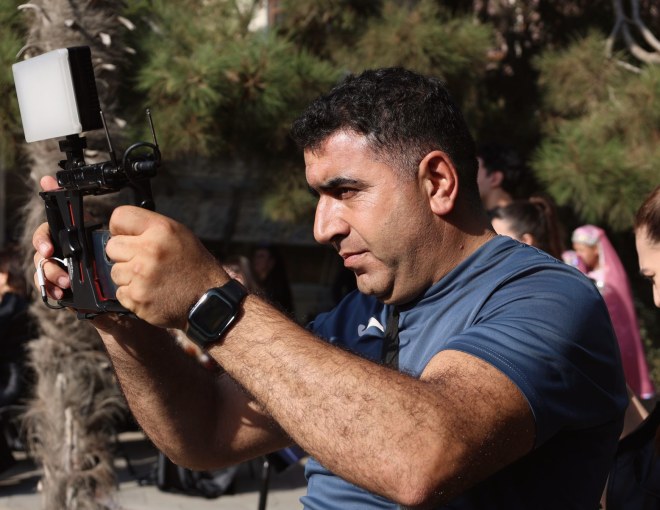
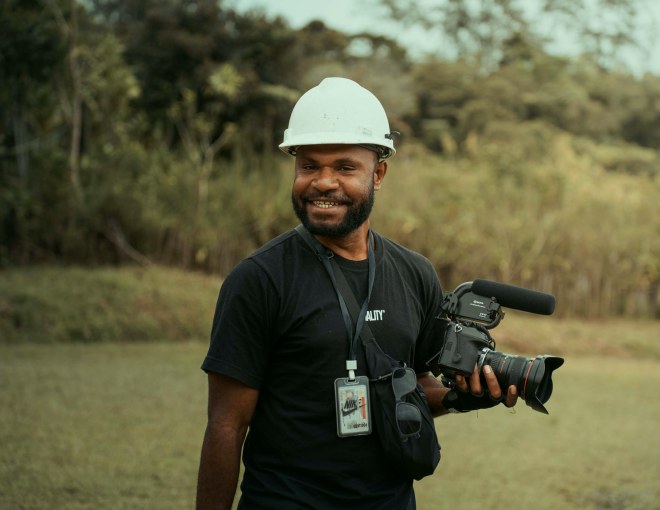
  1. Handheld camera on a developing story

    Handheld camera on a developing story

    Handheld work lets an operator move with events and change position quickly. We use it where a tripod would cost time, keeping the frame steady enough for broadcast use.

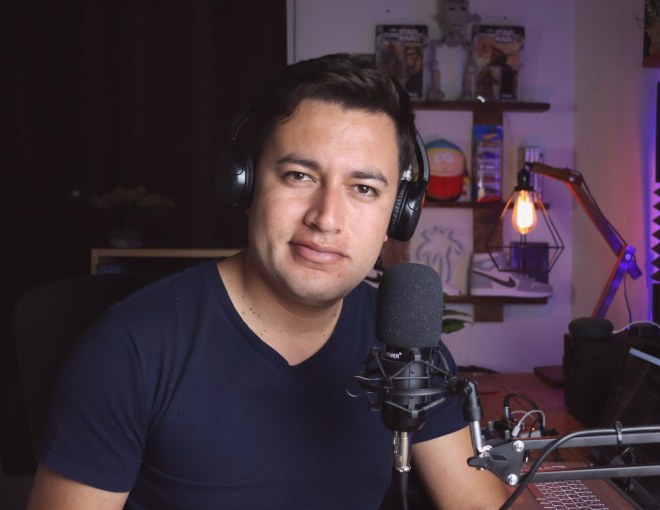
  2. Presenter framed in the studio

    Presenter framed in the studio

    For studio packages we set the presenter, the backdrop and the cameras before recording begins. A clean, repeatable frame means segments recorded on different days still sit together on air.

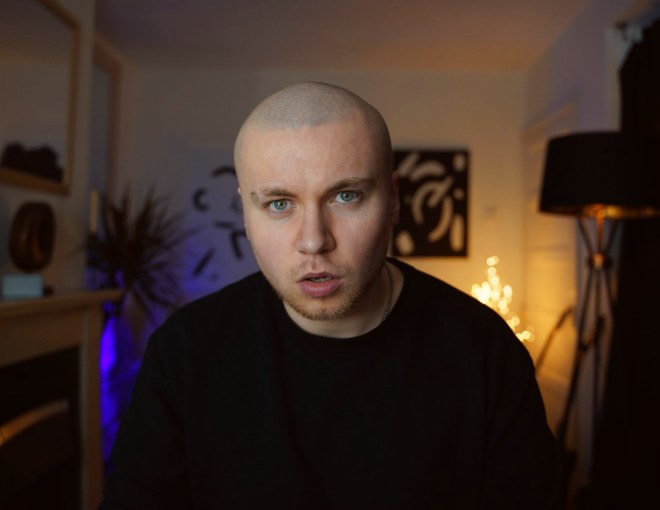
  3. Softbox lighting for a guest interview

    Softbox lighting for a guest interview

    A soft key light and a gentle fill keep faces natural and free of harsh shadow. We balance the background so the guest stays the focus of the picture.

  4. Cutting an item against the clock

    Cutting an item against the clock

    Editing for news is about choosing the strongest pictures and trimming to the length you asked for. Pacing and clarity matter more than effects when an item is going to air.

  5. Captions checked before delivery

    Captions checked before delivery

    We add and proof captions as part of the edit, reading them against the spoken audio. Errors are corrected before the file is exported to your specification.

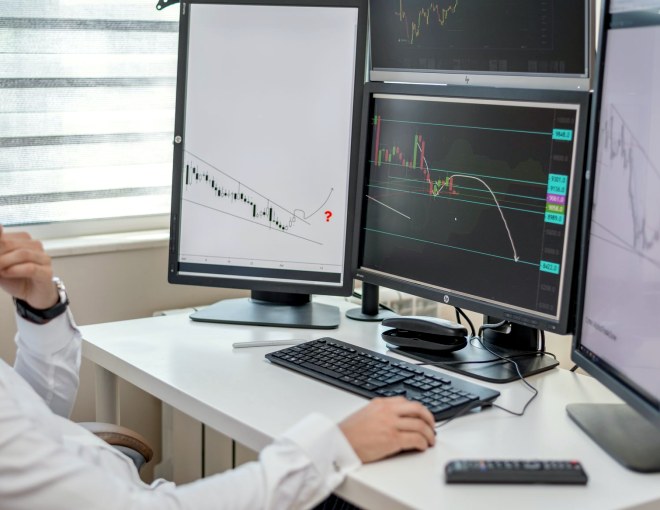
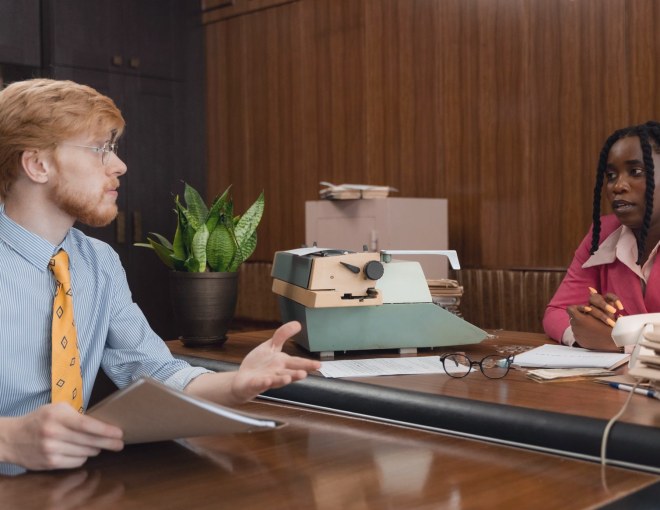
  6. Reviewing a newsroom's story flow

    Reviewing a newsroom's story flow

    For workflow advice we sit with producers and editors to see how a story passes between desks. Watching real work shows where small changes would save the most time.

Our approach

What goes into a broadcast-ready item

A finished news item rests on decisions made well before the edit. How we shoot, light and log material shapes how quickly your team can use it. These are the habits we rely on across every kind of commission.

Shooting for the edit

We shoot with the cut in mind. Operators capture establishing shots, close detail and clean cutaways so an editor has choices when the story changes shape. Audio is monitored as carefully as picture, because poor sound is hard to rescue later. Each clip is noted as it is recorded, so the strongest moments are easy to find. This discipline costs very little on the day and saves a good deal of time once the material reaches your gallery.

Light that stays consistent

Lighting is where a lot of news video quietly succeeds or fails. We set key and fill so faces are natural and the background does not compete. Where several contributors appear in one programme, we keep the set-up the same so they look like part of one piece. Tom checks the equipment before every session, which matters most on short-notice bookings. The result is footage that needs less correction downstream.

Delivery your team can use

Footage is only useful when it arrives in the right form. We agree file format, frame rate, captions and delivery route before work starts, and we check the export before sending it. If your gallery has a house specification, we work to it. Where something changes late, we tell you at once so you can decide how to adjust. The goal is simple: files that go to air without being reworked.