
Before You Book a Breaking News Crew: A Checklist
A working list of questions to settle before a camera crew heads out to a developing story, from access and kit to file formats and who signs off the footage.
6 minutes to read
Start with what the story needs on screen
Before anyone picks up the phone, write down what the item must show. A crowd outside a building, a damaged road, a statement read on the steps: each calls for different framing, different kit and a different amount of time on site. I have turned up to jobs where the brief was simply 'get something' and the first hour went on working out what that meant. Ten minutes spent agreeing the shots you want saves far more than that once the crew is standing in the rain.
Be honest about how long the footage will stay useful. If the story may change within the hour, say so, because it affects whether the crew should stay on location or shoot and send. A short, clear note covering the story, the angle your editor wants and the hoped-for running length is enough. It does not need to be a formal document, only something both sides can read in the same way.
- The story in one sentence
- The three shots you must have
- Expected length of the final item
- Whether the story is likely to move on
Location, access and safety
Most delays on a breaking shoot are not technical. They come from not knowing whether we can film where we are being sent. Tell us what you know about access: is the site public, is there a cordon, is someone from the press office meeting us? If you do not know, say that too, and we will plan for a crew that may need to film from a distance with a longer lens.
Safety belongs on the list as well. Crews working near traffic, water, unstable structures or large gatherings need a plain conversation about where they will and will not stand. Daniel or another operator will make the final call on site, and it helps when the newsroom has already accepted that a shot may be lost rather than a person put at risk. Agree who the crew phones if conditions change.
- Public land or restricted access
- Named contact on site, if any
- Known hazards nearby
- Who the crew calls if plans change
Kit, crew size and what you are really asking for
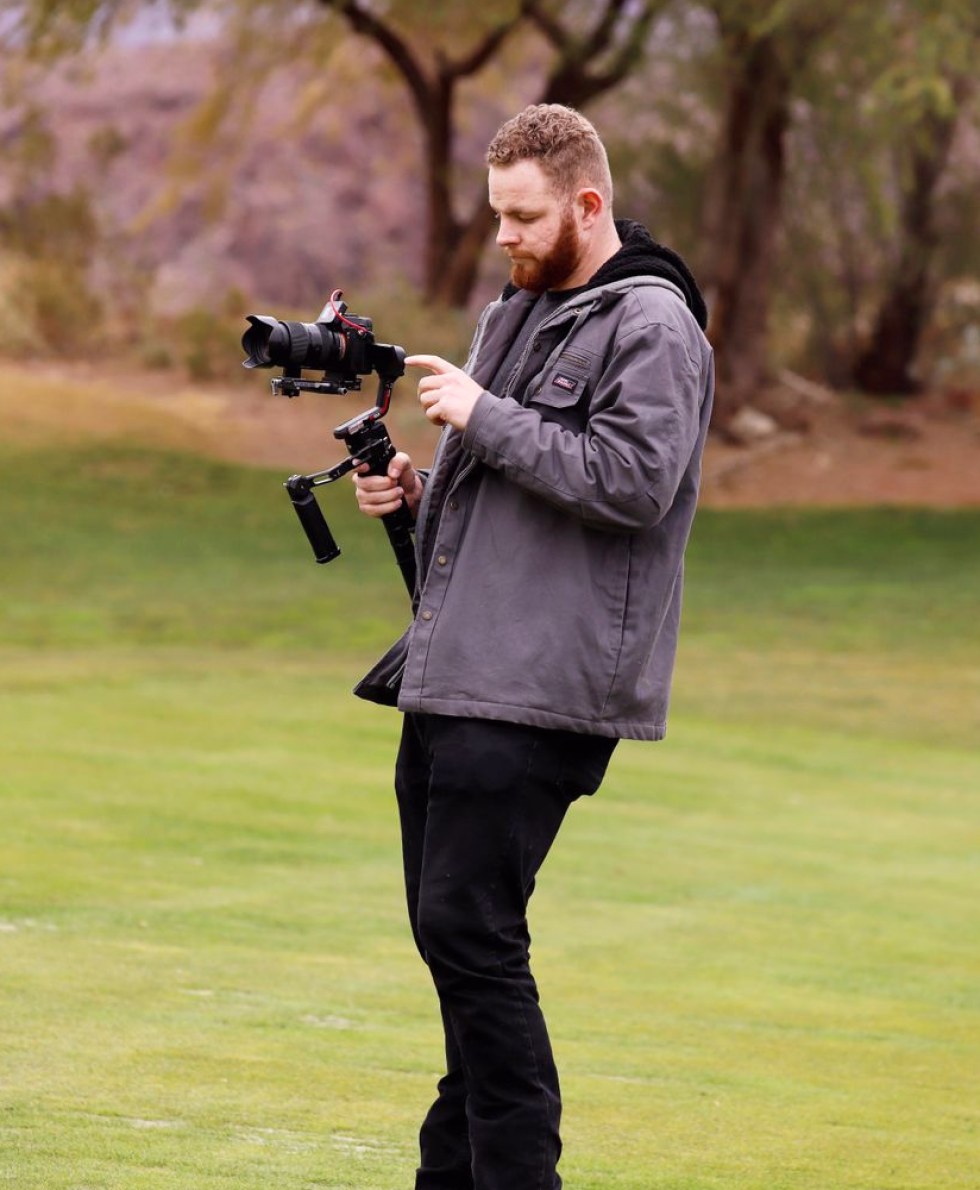
A compact crew means one operator, perhaps two, with a camera, a tripod, a handheld microphone and a small light. That suits most developing stories because it is quick to move and unobtrusive. It does not suit a long interview with several contributors, which may need more lighting and a second pair of hands. Decide whether you want pictures and natural sound only, a reporter piece to camera, or a short vox pop.
Think about audio early. Pictures can be recovered, but poor sound from a windy roadside is hard to repair. If you need a clean statement, tell us so the operator can choose the right microphone and position. Equally, if you only want cutaways to lay under a voiceover, say that, and the crew can concentrate on varied, steady shots instead of waiting for a speaker.
- Pictures only, or interviews too
- Piece to camera required or not
- One operator or two
- Any audio needs, such as a quiet statement
Delivery: format, route and deadline
Footage that arrives in the wrong format or at the wrong moment is not broadcast-ready, however well it was shot. Before the crew leaves, confirm the file type your gallery accepts, the frame rate, whether you need clean pictures or captions burned in, and where the files should go. State the real deadline, the time the item has to be in the gallery, not the time you would like it, so we can work back from it.
Ask also how the footage will travel. A strong mobile signal on site makes it possible to send rushes from the location, while a patchy one means the crew returns to base first. Neither is wrong, but the difference can be half an hour. Settle who receives the first files and who is the single person allowed to say the delivery is complete.
- Accepted file type and frame rate
- Captions or clean pictures
- Delivery route and recipient
- The true transmission deadline
Rights, permissions and sign-off
Filming people in public is usually straightforward, but a developing story often involves private property, minors or people in distress. Decide in advance how your newsroom wants these handled. Some editors prefer a crew to avoid close faces in sensitive moments; others want everything shot and the choice made in the edit. Either approach is fine as long as the operator knows which one applies.
Agree who owns the footage and how it may be reused. A clear, short statement in the written confirmation is better than an assumption made at the end. Finally, name the person who approves the material. When three people each believe they have the final word, an item that should take an hour takes three. One named editor, reachable by phone, keeps the whole job moving.
- Rules for filming minors or distressed people
- Reuse and ownership of the footage
- One named approver
- Contact number reachable during the shoot
A short run-through to finish
Go through the list once more as a final check. Do you know what the story needs, where the crew is going and who meets them? Is the kit matched to the task, and is the delivery route and deadline written down? Have rights and approval been settled? If any of these is still open, close it before the crew sets off, because it is far cheaper to answer a question in the office than at the roadside.
None of this makes a shoot slow. Most of these answers take a few minutes, and once your newsroom has them to hand they become habit. Teams that do this routinely tell us the crew arrives with a clear aim, comes back with usable material and leaves the edit with fewer surprises. Keep the checklist near the desk and adjust it to suit your own gallery.
A breaking news shoot goes well when the decisions are made before the crew leaves: the story, the location, the kit, the delivery route and who signs it off. None of it is complicated, and most answers take only a few minutes. If you are weighing up a booking this autumn, work down the list with your editor, then send us what you have through the contact page and we will confirm the plan in writing.
More from the News Desk
Getting the Studio Ready for the Dark Months of News
Shorter days change how a news set looks on camera. Tom Gilbert explains what to check in the studio now, from window light to cables, before the busiest bulletins of winter.
What "Turnaround" Really Means on a Breaking News Shoot
A word that gets used loosely in every newsroom, explained plainly: what turnaround covers on a location shoot, where the minutes go, and how to agree it clearly with a crew.
Two Ways to Deliver a Finished News Item: Push or Pull
Tom Gilbert compares sending finished files to the gallery with having the gallery collect them from a shared folder, and says which suits a busy bulletin better.