
Getting the Studio Ready for the Dark Months of News
Shorter days change how a news set looks on camera. Tom Gilbert explains what to check in the studio now, from window light to cables, before the busiest bulletins of winter.
6 minutes to read
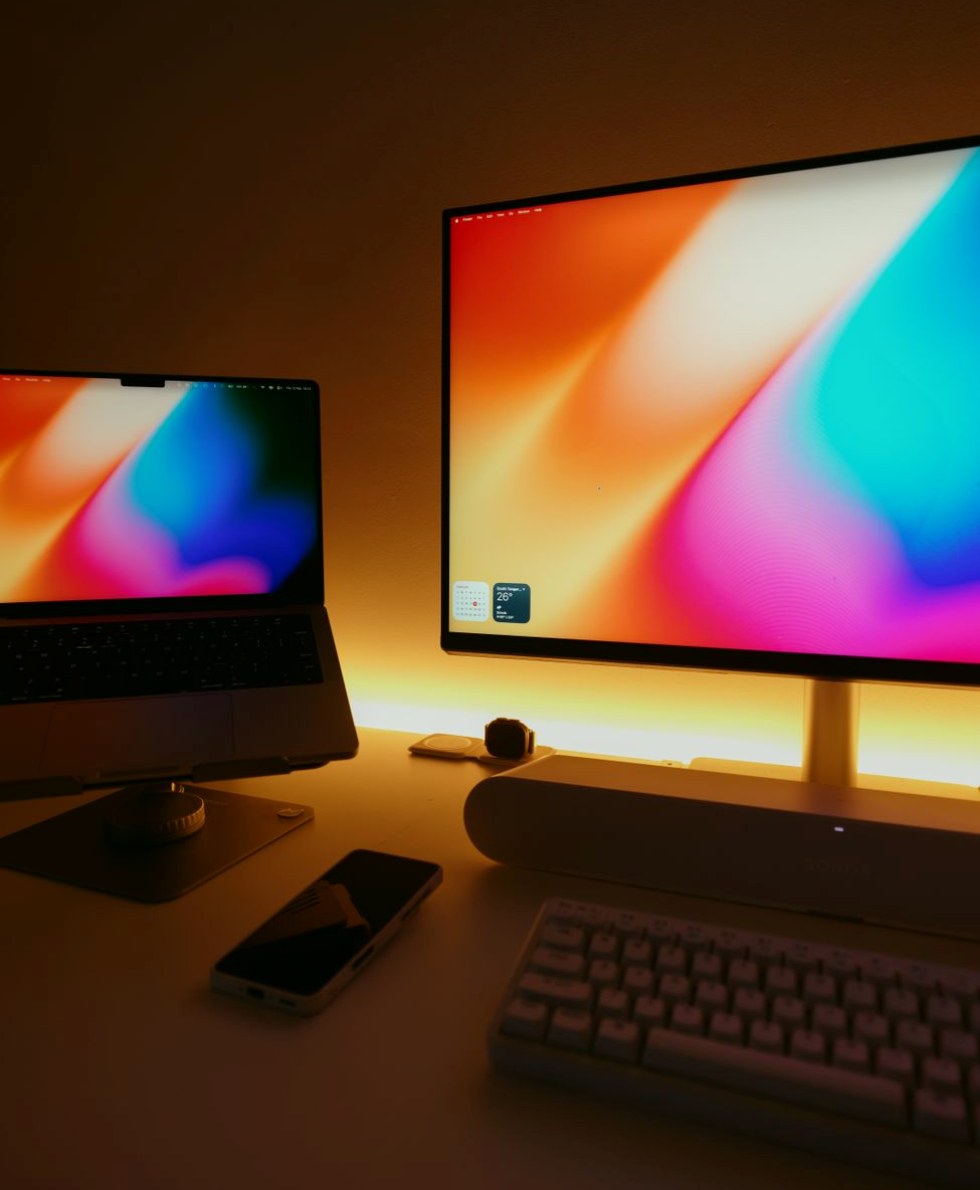
Why autumn changes the look of your set
Every year, usually about now, a studio that looked perfectly balanced in July starts to look slightly off. The cause is rarely the equipment. It is the daylight that used to spill through windows, doors and roof panels and quietly filled in the shadows on a presenter's face. As the days shorten, that free fill disappears, and the set you lit by habit suddenly relies entirely on the lamps you rigged.
I notice it first in the colour of skin tones. A session recorded at ten in the morning in summer carried a little warm, soft light from outside. The same session in mid autumn can look flat, cooler and a touch grey at the edges of the frame. Nothing is broken, but the picture no longer matches the items your gallery cut last season.
So the first job of the season is simply to look again. Sit a stand-in in the presenter's chair, switch off the room lights, and judge the picture on a monitor rather than by eye. Your eyes adjust to a dim room within seconds; the camera does not, and it is the camera your viewers are watching.
Sorting out daylight before it sorts you out
Where a studio has windows, the biggest risk in these weeks is mixed light: a low autumn sun pouring in for twenty minutes, then cloud, then nothing. Two shots of the same presenter recorded an hour apart can end up with different colour and contrast, which is awkward when they are cut into one package.
My usual advice is to decide whether daylight is part of your look or not, and to commit. If you want it, keep it consistent with a diffusion sheet and a fixed position for the desk. If you do not, block it fully with proper blackout material rather than half-closed blinds, and light everything with your own fixtures from the first minute.
Blocking daylight sounds drastic, but it is the single change that makes a studio predictable. Once the room is sealed, a set-up you save on Monday looks identical on Thursday, whatever the weather is doing outside, and presenters stop being surprised by how they look on air.
A short checklist for the studio this month
Autumn is a sensible time to go through the lighting rig properly, because short-notice bookings pick up as the news calendar fills. I would rather find a tired lamp during a quiet afternoon than during a session with a presenter waiting and a deadline close behind.
None of the items below is complicated, and most take under an hour. What matters is doing them together, so the whole rig is in a known state before the busier weeks begin and you are not discovering faults one at a time under pressure.
- Replace lamps that have drifted warm or flicker on camera
- Check stands, clamps and safety cables for wear
- Test every dimmer and power lead under a full load
- Re-mark floor positions for desk, chairs and cameras
- Run one full recording and review it on a calibrated monitor
Presenters, clothing and the colder months
Winter wardrobes bring their own small problems. Heavier knits, dark scarves and busy patterns behave badly under broadcast lighting, and a thick collar can swallow a lavalier microphone or cast a shadow across the jaw. Before a booking, I ask contributors to bring two or three options and we choose on the monitor.
Skin matters too. People arrive from the cold slightly flushed, and a studio that is too warm or too cold shows it within minutes. A few minutes in the room before recording lets everyone settle, and a little powder helps shine where lamps are close.
Guests who are not used to cameras tend to wear what they think looks serious, which is often black. Mid-tone blues and greens usually sit best against a neutral backdrop, and they keep the face, not the clothing, as the brightest thing in the frame.
Keeping the room comfortable and reliable
Lamps produce heat, and in a closed studio the temperature climbs quickly during a long session. In cooler months that is a small blessing, but it also means people take off jackets halfway through, and a presenter who looked tidy in the first take can look different in the fifth. We keep a few minutes of settling time in the plan for exactly that reason.
Power and cables deserve a second look as well. Damp weather and mud carried in on shoes find their way onto leads and floor connectors. Wipe down anything that has been outside, coil cables properly, and keep a spare of every lead that would stop a session if it failed.
Finally, leave margin in the schedule. Autumn commissions arrive late and often overrun, and a studio that can absorb an extra interview without anyone rushing produces cleaner pictures than one running to the minute.
What to ask for when you book a session
When a newsroom books a studio session in these months, the most useful information is practical: how many people will be on set, whether there is a remote guest, how long each item runs, and what the finished files need to look like. With that, we can plan the lighting and the running order before anyone arrives.
It also helps to say where the footage will sit next to existing material. If the items cut against earlier recordings, tell us, and we will match the look rather than reinvent it. Consistency across a season is mostly a matter of notes kept and lamps placed in the same spots.
If you are unsure how much time you need, ask. A short briefing call usually settles it, and it costs far less than a rushed afternoon on the day.
The dark months reward a studio that has been checked, sealed against changing daylight and kept consistent from one session to the next. Spend an hour on lamps, cables and floor marks now, bring clothing options to the monitor, and leave a little slack in the schedule. Do those few things and your bulletins will look the same in December as they did in the summer, whatever the weather outside.
More from the News Desk
Inside a Studio News Package: What the Booking Actually Covers
A plain account of what our lit studio sessions include for presenters, interviews and short news segments, and what we need from your newsroom before the day.
What a Studio News Session Costs and What Moves the Price
A plain look at how studio news packages are priced: the hours, crew, lighting and delivery that shape a quote, and which choices a producer can make to keep it in budget.
Getting Edits and Deliveries Ready for the Darker Months
As clocks go back and daylight shortens, newsroom schedules change. Here is how we plan editing, captioning and file delivery for the weeks ahead so items still reach your gallery cleanly.