
Getting Edits and Deliveries Ready for the Darker Months
As clocks go back and daylight shortens, newsroom schedules change. Here is how we plan editing, captioning and file delivery for the weeks ahead so items still reach your gallery cleanly.
5 minutes to read
Why the autumn schedule changes the edit
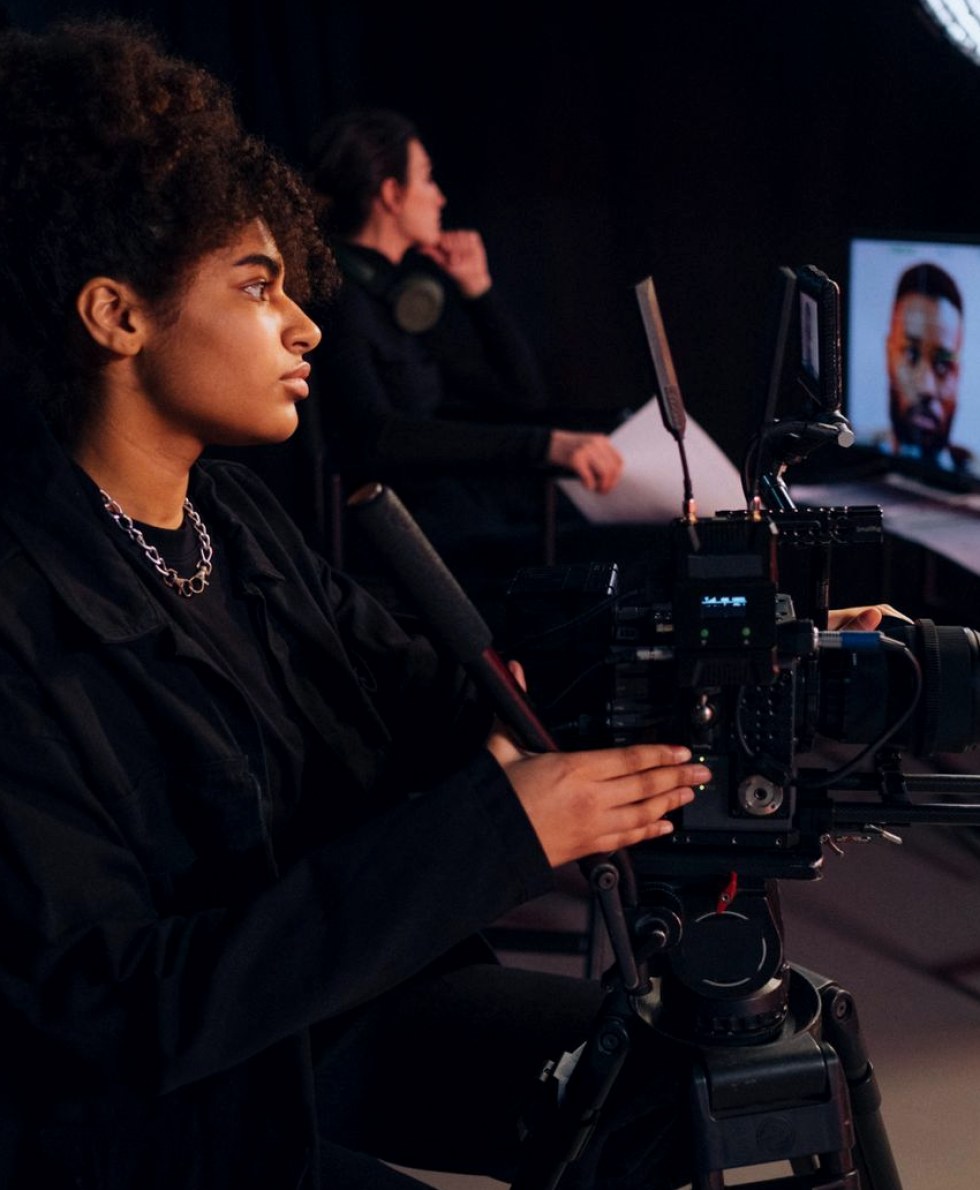
Mid autumn changes the shape of a news day more than most people expect. Daylight fades earlier, so material shot in the afternoon often arrives at the edit with less time before an evening bulletin, and the footage itself looks different: flatter, warmer, with more noise in the shadows. I shoot most of our location work, and I notice that what I hand over in October asks more of the edit than what I handed over in July.
That is why we treat Rapid Edit and Delivery as something to plan before the weather turns, not something to improvise on the day. A short conversation about expected deadlines, preferred formats and who receives the files saves far more minutes than any shortcut inside the timeline. Priya, our senior editor, builds her week around exactly that kind of forward notice.
Footage that arrives dimmer and noisier
Low evening light is the most common reason an item needs extra attention in the edit. Shots taken at dusk carry grain, and colour can drift between cameras when the sky changes during a single interview. Correcting this takes a little time per clip, which is manageable for one item and slow for six.
Where we can, we tell the edit about conditions at the moment of shooting, so Priya knows which clips to check first. A note such as 'second camera shot after sunset' is enough. It lets her match colour once, early, instead of discovering the mismatch when the item is nearly finished and the gallery is waiting.
For your own contributors filming on phones or small cameras, the same rule applies: send the files with a line about when and where they were recorded.
- Note the time of day for each clip
- Flag any camera that was set differently
- Send the original files, not compressed copies
Captions when audio is harder to hear
Wind, rain and traffic noise all increase in the colder months, and outdoor interviews become harder to follow. Captioning is no longer a finishing touch but a safeguard: viewers watching without sound, or in a noisy room, rely on it to follow the story.
Our captioning is done alongside the edit rather than after it, which means errors in names and place references get caught while the item can still be adjusted. We ask for the spelling of any unusual name at the time of the commission. A mistyped surname on screen is the kind of slip that reaches air if nobody checked, and it takes seconds to prevent.
If your gallery has a house style for captions, such as line length or how speakers are identified, send it once and we will keep to it.
Agreeing formats before the busy weeks
Delivery goes wrong most often over something small: a wrong frame rate, a file name your system rejects, an audio layout that the gallery does not expect. In the autumn, when stories stack up and people are tired, these small mismatches cost more than they do in a quiet month.
Before the season gets busy, we suggest confirming a short list with your technical contact and keeping it on file. We then work to that list every time, without asking again.
This is also the moment to decide how finished items reach you, and who should be told when a file is ready. A named person and a clear file naming pattern remove most of the back and forth.
- Frame rate and resolution
- Audio layout and loudness target
- File naming and delivery route
- Who is notified on delivery
Leaving room for the unplanned item
Autumn brings its own predictable disruptions: storms, travel problems, early darkness that turns a planned shoot into a rush. A schedule with every hour spoken for has no space for any of them, and the result is a late item or a rushed one.
We try to keep realistic gaps in the edit week for short-notice work, and we ask commissioning editors to flag likely candidates early, even if they may not happen. Helen, our managing producer, would rather hold a slot that goes unused than turn away a story that breaks on a Thursday afternoon.
If you know a particular week is likely to be heavy, tell us in advance and we will plan around it.
What to send us before the clocks go back
A little preparation makes the first edit of the season much smoother. Gather the technical details your gallery needs, the caption style you prefer, and a contact who can answer questions quickly when a deadline is near. None of this takes long, and it can be done in one short message.
Then think about the types of item you expect most: short packages, longer features, quick cutdowns for other platforms. Telling us what is likely lets us match our time to your needs and keep the editing days free where they will be wanted.
We would rather hear too much at the planning stage than too little at the deadline.
- Technical specification for delivery
- Caption and naming style
- One named contact for urgent questions
- Expected volume over the coming weeks
The darker months reward preparation. Footage is dimmer, weather interferes, and schedules fill quickly, so agreeing formats, captions and contacts early keeps the edit calm when the pressure arrives. If you would like to set this up before the busy weeks begin, get in touch through the contact page and we will go through it with you.
More from the News Desk
A Regional Newsroom That Stopped Losing Ten Minutes Between Tip and Edit
Tom Gilbert recounts a workflow review for a small regional news team led by Marcus, and the three practical changes that cut the wait between a tip arriving and a story reaching the gallery.
Sunrise at the Flood Barrier: One Breaking Shoot with Maya's Newsroom
Maya, a duty producer, called us before dawn about a rising river. Here is how a compact crew reached the bank, filmed what mattered and sent usable footage to her gallery.