
Sunrise at the Flood Barrier: One Breaking Shoot with Maya's Newsroom
Maya, a duty producer, called us before dawn about a rising river. Here is how a compact crew reached the bank, filmed what mattered and sent usable footage to her gallery.
5 minutes to read
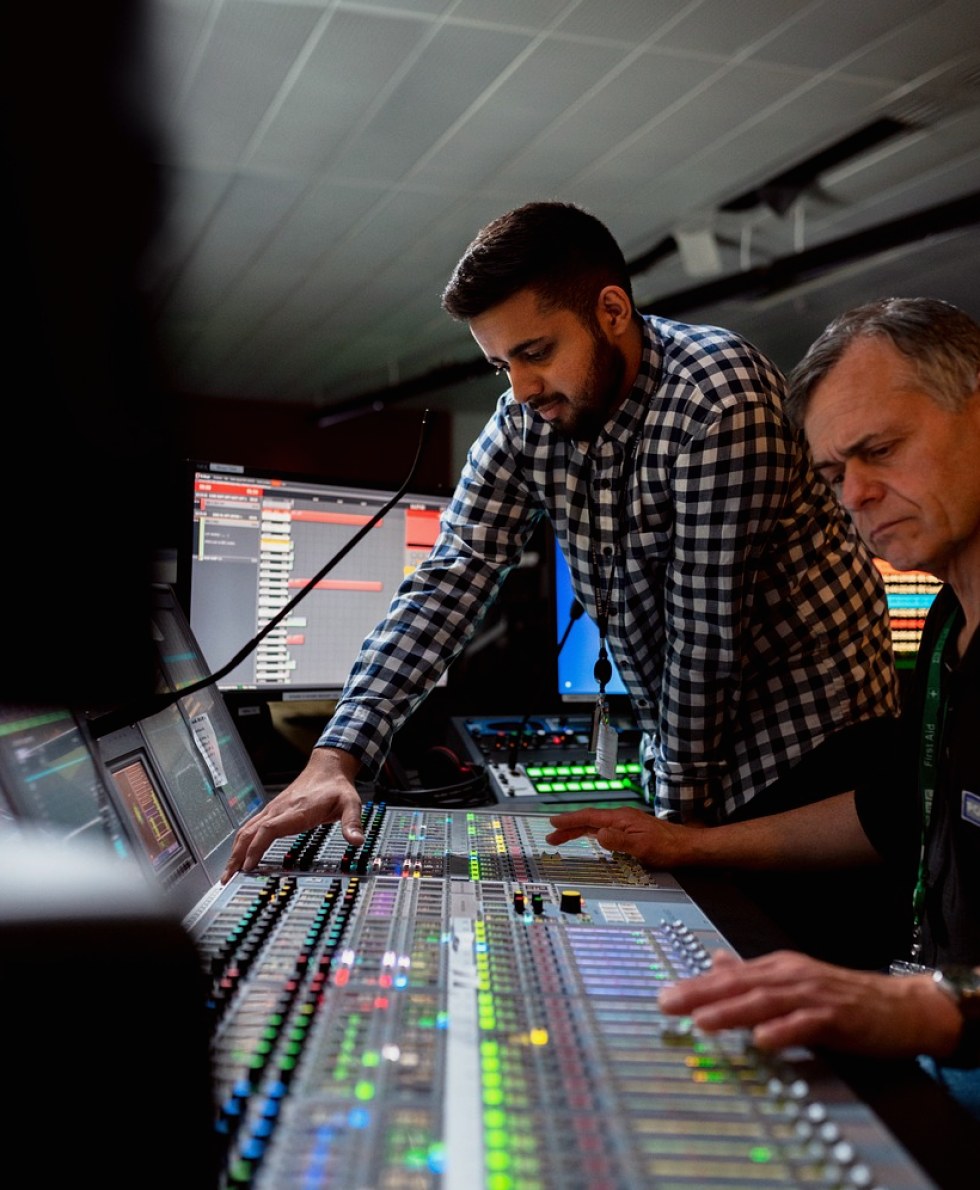
The call before first light
Maya works as a duty producer for a regional television newsroom, and her call reached our desk in the dark hours of a wet mid-autumn morning. A river a few miles from Winchester had come over its bank overnight, a footpath and a lane were under water, and her own reporter was stuck on another job. She needed pictures for the breakfast bulletin and had roughly two hours to get them.
Helen took the booking and asked the short questions that matter: where exactly, what the bulletin slot was, which file format the gallery wanted, and who would be on the ground to speak to. Maya had a reporter name, a postcode for the lane and a delivery address. That was enough. I was packing the car within twenty minutes, with a second operator confirmed to meet me on site.
Travelling light on purpose
A flood is not a place for a heavy kit list. I took one broadcast camera, a spare battery set, a small fluid-head tripod, a lavalier microphone, a handheld reporter microphone with a windshield, and waterproof covers for both camera and operator. The wellingtons mattered as much as any of it. A crew that cannot move along the bank cannot follow the story as it changes.
We leave out anything that slows the first ten minutes. No large lighting, no long cable runs, no monitors on stands. Daylight was grey but even, which suited the water. If the light had failed, a small on-camera panel would have covered a short interview, but we did not need it. Every extra case is something to carry through mud.
- One camera, one spare battery set, one tripod
- Lavalier and handheld microphones with wind protection
- Waterproof covers and sensible footwear for the crew
What we shot first
On arrival I walked the bank before filming anything, because the best wide shot is rarely where the car stops. From a slightly raised verge I could show the river, the submerged lane and a fence line disappearing into the water in one frame. That wide, held steady for a full minute, gave Maya's editor an establishing shot he could cut under any voice-over.
Then came the close material: water moving around a gatepost, a signpost half covered, a resident carrying a crate of belongings along the dry edge. I shot each for long enough to be useful, ten seconds and no less, and avoided panning across everything in a rush. Footage that cannot be trimmed cleanly costs the gallery time it does not have.
Talking to people on the bank
A resident named Colin was clearing his garden path when we arrived, and he was willing to speak. I asked first whether he minded being filmed, explained that the pictures were for television news, and kept the first questions simple: what time did the water rise, and what is different from other years. Interviews at a scene like this work best when the person is allowed to describe what they can see.
I framed him with the water behind and slightly off to one side, so his face was clear and the flooded lane still told the story. The lavalier gave clean sound despite the breeze. Maya's reporter joined by phone afterwards to add a line, but Colin's own words carried the piece. We noted his name spelling and the road name on the spot to avoid captioning errors later.
Getting it to the gallery in time
Priya was waiting back at the studio. As soon as I had enough material, about forty minutes of rushes in total, I copied the best clips to a card and the second operator drove them in while I stayed to shoot a final sequence of the water level against a marker post. Sending the first batch early meant Priya could start selecting while the story was still developing.
She trimmed and graded a ninety-second package of pictures, added captions for the location and the interviewee, and exported it in the format Maya's gallery had specified. The file reached them with about twenty minutes to spare before the bulletin. Maya replied with a one-line confirmation that the ingest had worked, which is the only message we really want on a morning like that.
- Early batch sent while shooting continued
- Captions checked against notes taken on site
- Export matched to the gallery's stated format
What the morning taught us
Nothing about the shoot was unusual, and that is the point. The crew was small, the brief was clear, and each step had a reason. Maya had given us a location, a deadline and a format, and we gave back picture she could use without reworking. When a producer is short of hands, the most useful thing a crew can do is remove decisions from her morning.
If I were to change anything, I would have asked about parking nearer the lane, since we lost ten minutes walking in with the kit. A line like that now goes into our booking questions for any location near water. Small notes like this are how a routine job improves the next one.
Maya's flood story was a short job with a tight clock, and it went smoothly because the crew was light, the questions were asked early and the footage travelled while we were still filming. For a newsroom, that is what a breaking shoot should feel like: a call, a crew on the ground quickly and clean pictures arriving in time for the slot.
More from the News Desk
What Interview Lighting Costs and What Moves the Price
A plain look at how portrait and interview lighting is priced at verbmelo, which choices raise or lower the quote, and what to tell us so the figure holds.
Inside a Studio News Package: What the Booking Actually Covers
A plain account of what our lit studio sessions include for presenters, interviews and short news segments, and what we need from your newsroom before the day.