
What Interview Lighting Costs and What Moves the Price
A plain look at how portrait and interview lighting is priced at verbmelo, which choices raise or lower the quote, and what to tell us so the figure holds.
7 minutes to read
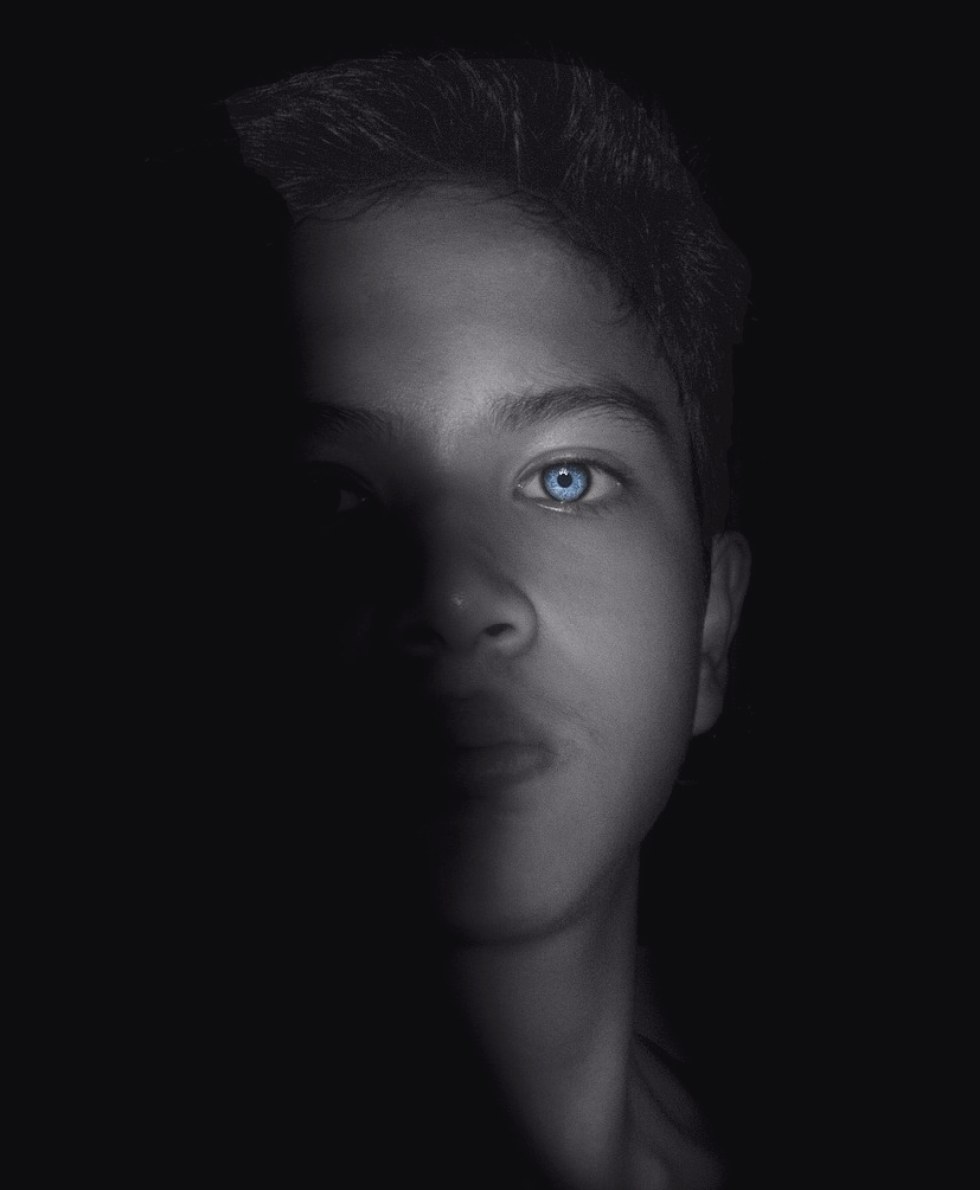
Why lighting has a price at all
Lighting looks like the cheap part of a shoot until an interview goes out with a green cast on the guest's face or a shadow across one eye. Then it becomes the thing everyone remembers. When we quote for portrait and interview lighting, we are pricing three things: the technician's time, the kit that goes into the room, and the time it takes to get a face looking clean and matching the other contributors in the same item.
I am Tom Gilbert, and I design the lighting for our studio sessions. Most of what follows comes from the quotes I have written and the sessions I have run. The aim is that you can read a quotation and understand every line of it, rather than wondering why one set-up costs more than another that looks similar on screen.
The short version is that the price follows the amount of work between arriving and recording the first usable take. A single guest in a room we control is quick. Three guests in a corridor with mixed daylight is not, even though the finished interview may run for the same length.
The first driver: where the interview happens
Our studio is the most predictable place to light someone. The ceiling height, the walls, the power and the background are known, so a set-up that works on Monday can be repeated on Thursday and the two interviews will sit together in a bulletin without anyone noticing. That repeatability is part of what a studio session buys.
On location the work changes. We have to read the room first: windows that will shift as the afternoon goes on, strip lights humming overhead, a background that is either too busy or too bare. Each of those needs a decision and often extra stands, flags or diffusion to deal with it. Travel and set-up time are charged because they are real hours, and a location with difficult light needs more of them.
If you can tell us the room in advance, even with a phone photograph of the space, we can estimate far more closely. Surprises on the day are what turn a quote into a revised quote, and neither of us wants that conversation.
- Studio: known conditions, shortest set-up
- Location: allow for a recce or photographs beforehand
- Windows and mixed light add the most set-up time
The second driver: how many people, and how many set-ups
One contributor against one background is the simplest job we do. Two guests side by side need balanced light so neither looks brighter than the other, and that takes more care than lighting two people separately. A panel of three or four moves into a different category of work, with more lamps, more cabling and more checking of each face on the monitor.
The number of distinct set-ups matters more than the number of people. If five contributors are recorded one after another in the same chair against the same background, the lighting is built once and held. If each one needs a different location or framing, we are rebuilding the lighting each time, and the quote reflects that.
It helps to think of the price as attached to the number of times the lamps have to move. A running order that groups similar interviews together is cheaper to light than one that jumps between looks, even when the total number of guests is identical.
The third driver: the look you want
A clean, even look for a news contributor is the baseline. It needs a key light, a softer fill, a little separation from the background and a check that glasses are not throwing reflections. That is what most of our interview work is, and it is priced as our standard session.
Requests that go beyond that add time. A more dramatic, shaped look for a documentary-style piece, coloured background lights, or a very specific match to footage already shot elsewhere all call for extra fixtures and extra testing. None of it is unreasonable, but it is a different job from lighting a guest to look natural and consistent.
Matching is the one people underestimate. If you send us a frame from earlier coverage and ask for the same feel, we can usually get close, but we will allow time to compare and adjust. Telling us at the quotation stage, rather than on the morning, keeps the figure honest.
- Standard clean interview look: our baseline session
- Shaped or stylised looks: more fixtures, more testing
- Matching earlier footage: allow time for comparison
Notice, timing and the things that change a quote
Short-notice bookings are part of news work, and we keep equipment ready for them, but a request for the same morning means we reorganise other work to fit it. Where that happens it can affect the figure. Giving us a day or two, where the story allows it, lets us plan crew and kit without disruption and usually keeps the price lower.
Session length changes things in a simple way: a longer booking means more hours of technician time. A half-day of interviews is not priced as a full day, and we would rather quote you the shorter booking if the shorter booking is all you need. If a session overruns because contributors arrive late, extra time is charged at the rate set out in the written quotation.
The items that most often alter a quote after the first conversation are a change of venue, an additional guest, and a late request for a different look. None of these is a problem if we hear about them before the day, and a short message is enough to update the figure.
How to get a figure you can rely on
Start by sending an enquiry through the contact page. Tell us where the interview will be, how many people will be recorded, whether they sit or stand, roughly how long you need, and whether the footage has to match anything already shot. Photographs of the room are useful if it is not our studio.
We reply with a written quotation. When you confirm it, we send an invoice, which is paid by bank transfer, and cancellations follow the payment and refund policy. The full price list is on the Prices page, and the quotation is where the specific details of your session are fixed.
Read the quotation for what it includes: technician time, kit, set-up, and the length of the booking. If a line is unclear, ask us. An interview that looks clean and consistent should be the result of a price you understood, not one you had to accept on trust.
- Where, how many people, how long, what look
- Written quotation first, invoice after confirmation
- Payment by bank transfer
The cost of interview lighting comes down to location, the number of set-ups, the look you want and how much notice we have. None of these is mysterious, and most can be settled with a short, clear enquiry. Tell us what the room is like and what the guests need to look like, and we will give you a written figure that matches the work. If anything changes before the day, say so early and we will adjust it openly.
More from the News Desk
Setting Up a Studio News Package: A Practical Walkthrough
A step-by-step guide to preparing a lit studio session for a presenter, an interview or a short news segment, from the room and the lights to what to send us beforehand.
Rapid Edit and Delivery: Six Mistakes That Cost Newsrooms Minutes
Most late items are lost in small, avoidable slips between the last shot and the gallery. Here are the six we see most often in fast edits, and plain ways to avoid each one.