
Setting Up a Studio News Package: A Practical Walkthrough
A step-by-step guide to preparing a lit studio session for a presenter, an interview or a short news segment, from the room and the lights to what to send us beforehand.
6 minutes to read
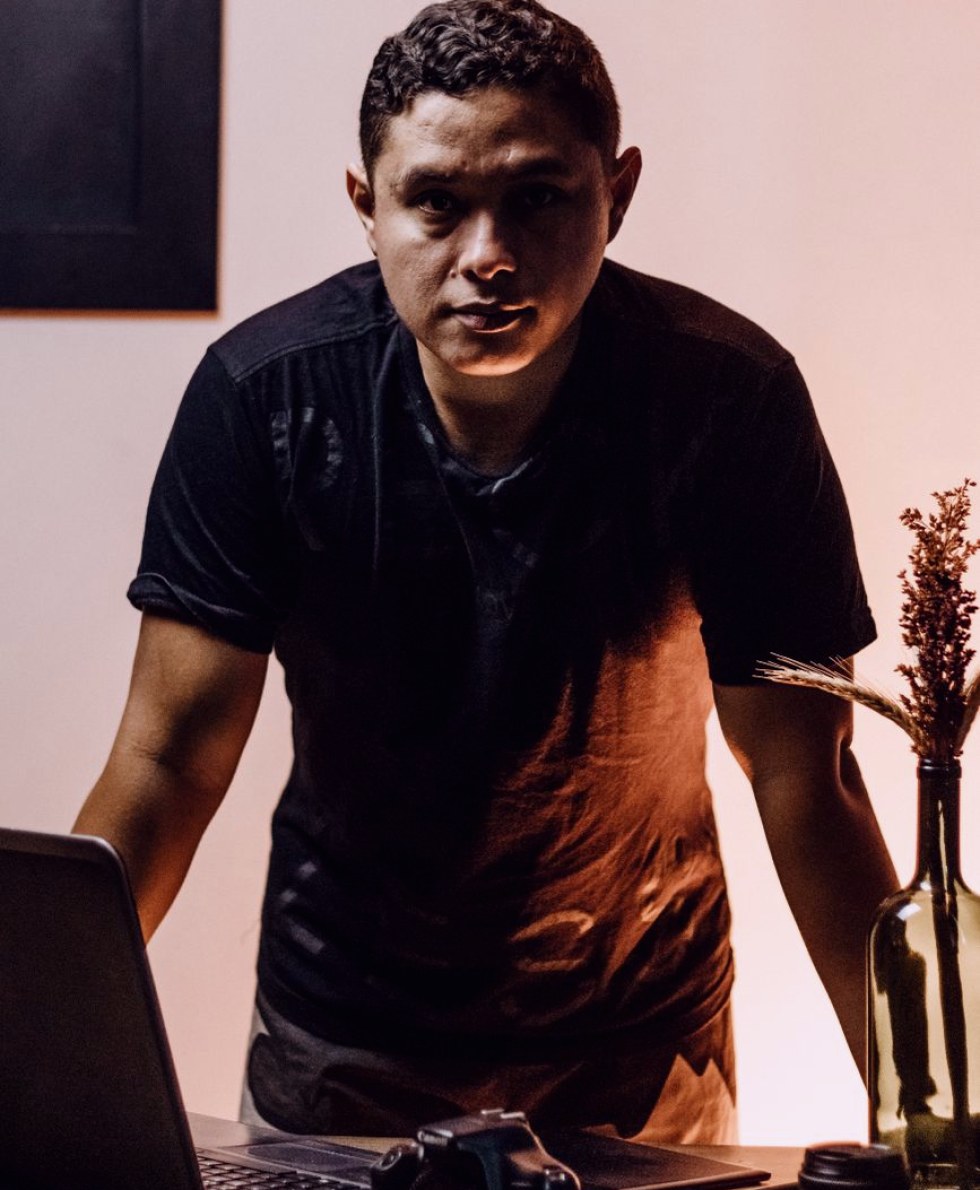
Start with the segment, not the equipment
Every studio session we run begins with a plain question: what will the viewer see, and for how long? A thirty-second presenter read needs a very different set-up from a six-minute two-way interview, and the lighting, camera positions and even the chairs follow from that answer. Before you book, write down the running time, the number of people on camera, and whether anyone is joining remotely.
I am the person who rigs and checks the room, so I would rather hear these details a few days ahead than discover them when the contributor arrives. A short note covering format, length and tone is enough. Tell us if the item sits inside a longer bulletin, because we will want to match its look, framing and background so it cuts in without a jolt.
If your gallery has a house style, send a frame grab or a description of it. We use it to set the shot size, headroom and colour balance, which saves time on the day and avoids small corrections in the edit.
- Running time of each segment
- Number of presenters and guests
- Remote contributors, if any
- A frame grab of your house look
Preparing the room and the light
Our studio sessions are lit from scratch each time. I start with the key light, placed slightly off the camera axis and a little above eye level, then add a softer fill to keep shadows readable without flattening the face. A separate light on the background gives depth, and a gentle edge light separates shoulders from the set.
The aim is a picture that looks clean and consistent from the first item to the last, whoever sits in the chair. That means measuring exposure on skin tones rather than trusting the monitor alone, and checking that the background does not drift brighter than the subject.
Allow time for this. For a short package we usually want the room to ourselves for a while before anyone is due on camera. Rushing the lighting is the commonest cause of a session that looks fine live but needs rescuing later, so we protect that setting-up time in the schedule.
Briefing presenters and contributors
A well-lit room still looks poor if the person in front of the lens is uncomfortable. Ask contributors to arrive a little early, and tell them in advance where they will sit and roughly how the session will run. Nervous guests relax quickly when they know there will be a quick sound and picture check before recording begins.
Clothing matters more than most people expect. Fine stripes and tight checks can shimmer on camera, and very bright white or deep black clothing makes exposure harder to hold. Mid-tone, plain colours work reliably. Glasses can catch the key light, so we adjust angles on the day, but it helps to know in advance.
For presenters reading from a prompter, send the script in good time and flag any names or place names that need a pronunciation check. A calm start, a short rehearsal and one clear cue from the floor make the recording itself quick.
- Plain, mid-tone clothing
- Arrive a little before the booked time
- Send scripts and tricky names ahead
What happens during recording
Once the picture and sound are set, we record in clean takes with a producer or director from your side, or ours, calling the cues. For short segments we often record straight through, then repeat only the lines that need it. For interviews we keep a steady shot size and ask the guest to answer in full sentences, which makes the edit simpler.
Sound is monitored throughout. A good picture with a distracting hum or a rustling lapel microphone costs you time later, so we listen on headphones during every take and stop at once if something creeps in.
We also keep an eye on continuity: the position of a cup, a tie, a hair out of place. These small things are easy to fix at the time and awkward to fix afterwards. Everything is recorded to broadcast standards, so the files are ready to move on without any special handling.
After the session: files and handover
Recording is only part of the job. Once the session ends, we check the files, label them clearly, and confirm with you which takes you want taken forward. If editing and delivery are part of your commission, the material passes straight to the editor, so nothing is lost between the studio and the finished item.
Tell us the format your gallery needs, including frame rate, file type and any caption requirements, before the session rather than after. It is much easier to record with the destination in mind than to convert later.
If you only need raw recordings, we can supply them in the agreed format and say plainly what has and has not been done to them. Either way, you will know what you are getting, when it will arrive and who to ask if anything needs adjusting.
A simple checklist for booking day
Most problems we see could be avoided with a few minutes of planning. Before you confirm a session, run through what you know and what you still need to find out. If something is unclear, ask; a short call is cheaper than a reshoot.
Think about people as well as kit: who is arriving, who is directing, who approves the final take, and who will receive the files. Having one named contact on your side keeps decisions quick and avoids conflicting instructions in the room.
We are happy to talk any of this through before a booking, and we would rather adapt the plan than have you guess. The more we know about the segment, the better the room, the lighting and the schedule can be matched to it.
- Segment length and format agreed
- Guests briefed on clothing and arrival
- Scripts and name checks sent
- Delivery format confirmed
- One named contact on your side
A good studio news package is mostly decided before anyone sits down. Be clear about the segment, give us time to light the room properly, brief your contributors and tell us where the files are going. Do those four things and the recording itself tends to be quick and calm. If you are planning a session this autumn, get in touch and we will walk through the details together.
More from the News Desk
A Regional Newsroom That Stopped Losing Ten Minutes Between Tip and Edit
Tom Gilbert recounts a workflow review for a small regional news team led by Marcus, and the three practical changes that cut the wait between a tip arriving and a story reaching the gallery.
Getting a News Item From Final Cut to Your Gallery, Step by Step
A practical walk through how a finished news edit is checked, captioned, exported and delivered, so the file that reaches your gallery plays first time and matches the format you asked for.
Before You Book Interview Lighting: A Checklist for News Editors
Seven things worth settling before a contributor sits down in front of the lights, from the room and the window to the skin tones on screen, so the interview matches your other items.