
Before You Book Interview Lighting: A Checklist for News Editors
Seven things worth settling before a contributor sits down in front of the lights, from the room and the window to the skin tones on screen, so the interview matches your other items.
5 minutes to read
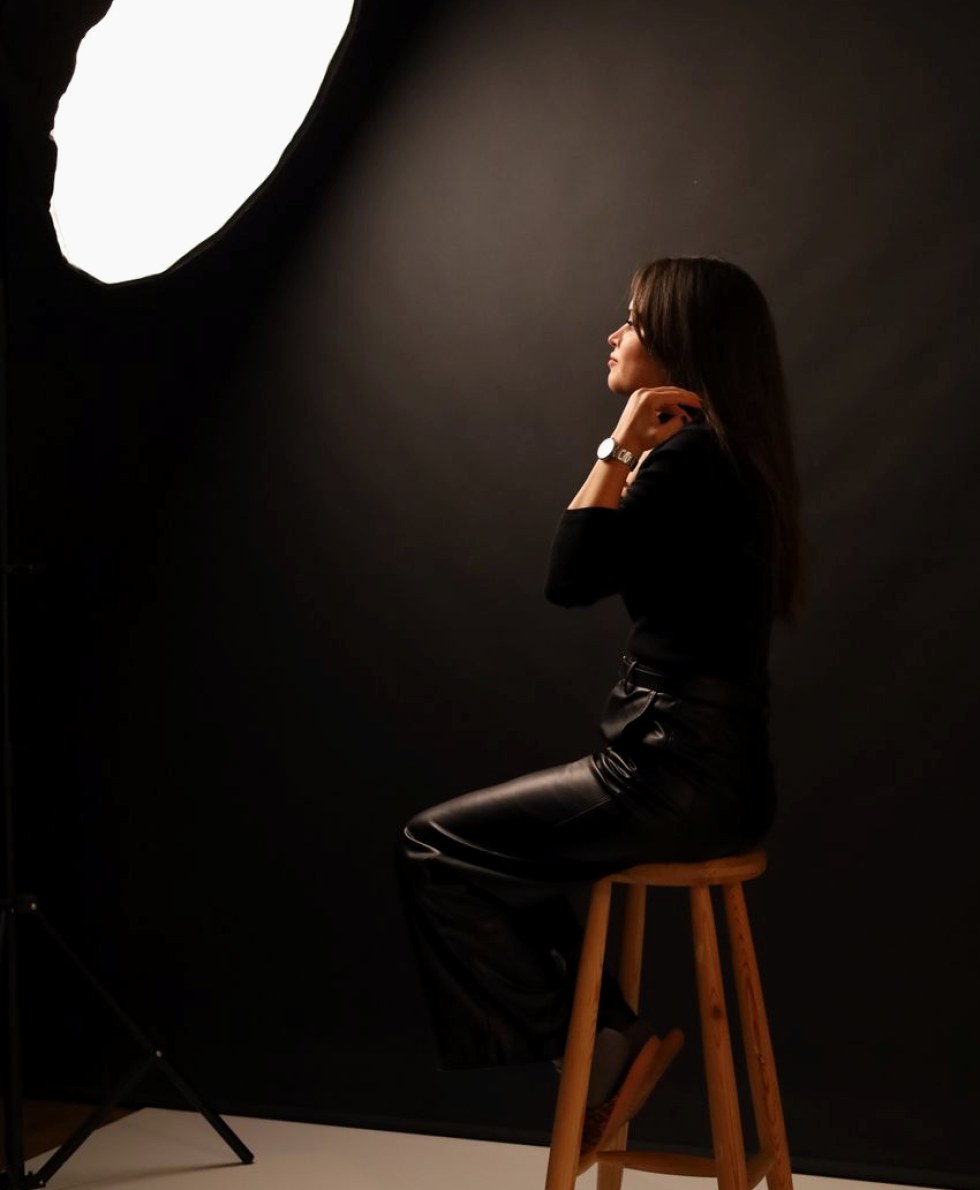
Start with the room, not the lights
Most lighting problems are decided before a single stand goes up. When I am asked to light an interview, the first question I ask is where it will happen: a studio, a meeting room, an office, someone's front room. Each place brings its own limits, and it is far cheaper to know them in advance than to discover them while the contributor waits.
Ask whoever is arranging the shoot for the rough size of the room, the ceiling height and the number of windows. A low ceiling rules out a tall back light. A glass wall will change the whole balance of the picture by mid afternoon. If you can, ask for a phone photograph taken from where the guest will sit, looking towards the camera position. That one image tells me more than a page of description.
- Approximate room size and ceiling height
- Number and direction of windows
- Where the guest will sit and where the camera will go
- A phone photograph from the guest's seat
Decide how much daylight you will tolerate
Daylight is free, soft and flattering for about an hour, then it moves. In mid autumn the sun is low and changes quickly, so an interview that starts bright can finish in a grey, flat room. If a shoot runs across more than one contributor, the first and last guest can end up looking as though they were filmed on different days.
The choice is between working with the window or blocking it and lighting everything ourselves. Blocking gives you consistency, which is usually what a newsroom wants when several items are cut together. Using the window saves set-up time but needs a firm view from you on how much change is acceptable. Settle this before the day, not during it.
Match the look of your existing items
A guest who looks warmer, darker or harder lit than the rest of your output will stand out in a running order, however good the answers are. Before booking, pull up two or three recent interviews you broadcast and decide which one you want this to resemble. Note the contrast, how much background is visible and whether the faces are lit evenly or with some shadow on one side.
Sending a frame grab or a short clip is enough for us to work from. We do not need to copy it exactly, but knowing your house look lets us set the key light, the fill and the background level to sit comfortably beside it. It also saves an argument in the edit about colour that could have been avoided on the shoot.
- Choose one reference interview
- Say whether you prefer even or shaped light
- Note the background brightness you expect
Think about the people in front of the lens
Contributors are rarely used to being filmed. Some wear glasses that pick up reflections, some have a shiny forehead under strong light, and some sit rigidly if the equipment feels intimidating. Tell us in advance if you know the guest wears spectacles, has a bald head, or will wear a dark or very bright top, because each of these changes how we place the lights.
Skin tones matter too. A set-up that suits one guest can leave another looking washed out or too dark, so a good lighting plan allows adjustment for each person without rebuilding the room. Allow a few minutes at the start for the guest to sit, relax and for us to check the face on the monitor. Rushing this step is where inconsistent interviews begin.
Be realistic about time and power
A clean interview set-up usually takes longer than people expect, and tear-down takes time too. Agree with the contributor and the venue how early we can arrive and how long the guest will be available. If several interviews follow one another, build in a short gap so lights can be nudged between guests rather than rushed.
Check the practical side as well: where the sockets are, whether the building has restrictions on cables across walkways, and whether a lift or stairs affect how kit arrives. Tom and I carry what we need for most rooms, but a venue that bans stands or has no spare sockets changes the plan. A short phone call the day before usually clears these points.
- Arrival time and guest availability
- Gap between consecutive interviews
- Sockets, access and venue rules
Agree what you need back
Lighting decisions affect the edit. If you need a clean version for a vertical crop, or space in the frame for a caption, tell us before we frame the shot. If the item might be re-used in a longer package later, ask us to record a few seconds of the empty room and a clean reference frame so colour can be matched afterwards.
Finally, confirm who will approve the picture on the day. Someone with authority to say yes at the monitor prevents long waits and last-minute changes. A short written note covering the points above, sent with the enquiry, lets us give you an accurate quotation and arrive ready to light the first guest properly.
Good interview lighting is mostly preparation: knowing the room, choosing how to treat daylight, picking a reference look, understanding the guests, allowing time and agreeing what comes back. Go through these points before you commit, and the shoot itself becomes the easy part. If you want a second pair of eyes on your answers, send them through the contact page and I will reply with questions of my own.
More from the News Desk
Getting the Studio Ready for the Dark Months of News
Shorter days change how a news set looks on camera. Tom Gilbert explains what to check in the studio now, from window light to cables, before the busiest bulletins of winter.
How we light an interview chair before the guest walks in
A look at how a lighting set-up is built and checked in the studio each morning, from the first stand placed to the test frame that every guest is matched against.
How long does a newsroom workflow review actually take?
The question we hear most about workflow advice is how long a review takes and what it disrupts. Here is how the days run, what we watch for and what you receive at the end.