
How we light an interview chair before the guest walks in
A look at how a lighting set-up is built and checked in the studio each morning, from the first stand placed to the test frame that every guest is matched against.
6 minutes to read
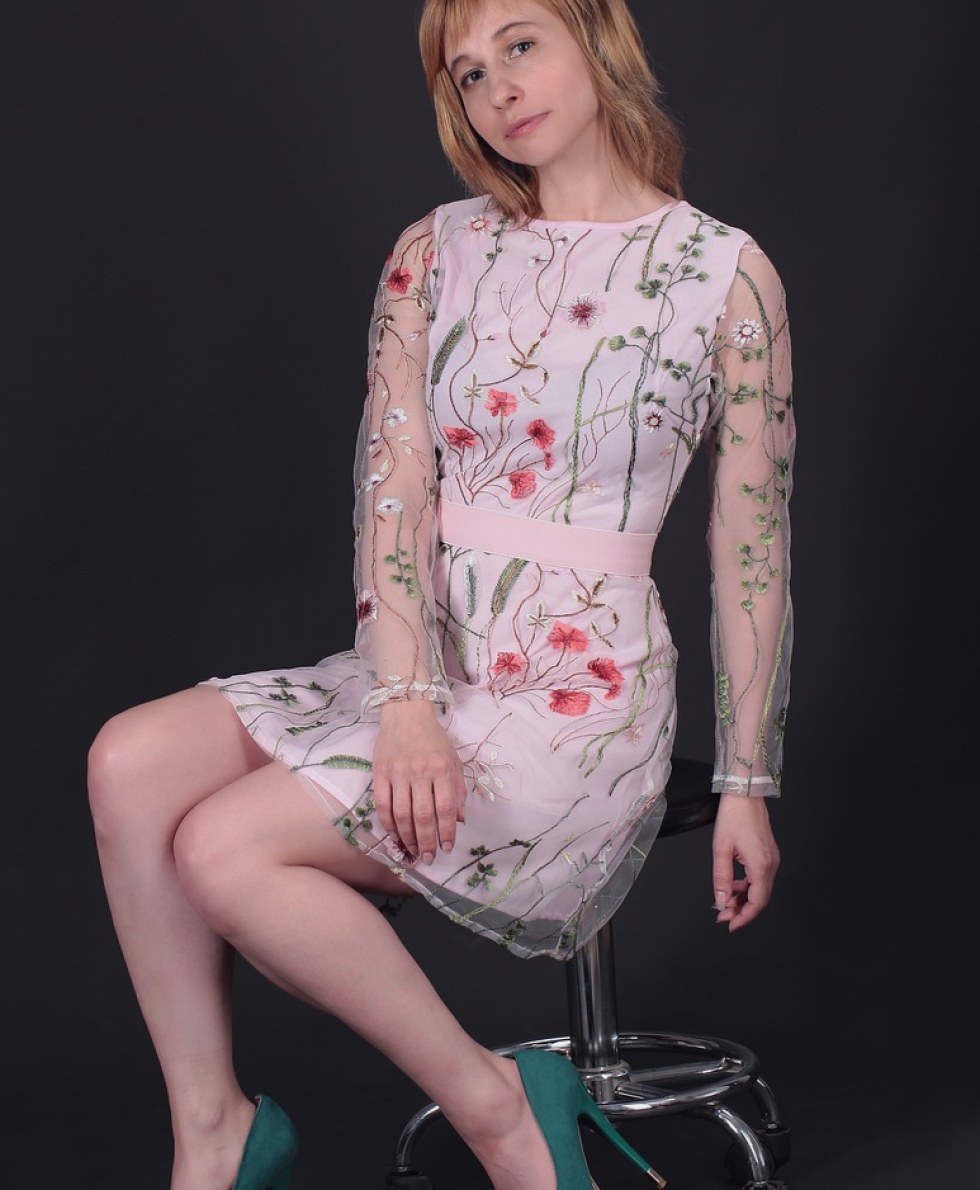
The chair is set up before anyone arrives
By the time a guest comes through the door, most of the lighting work is already finished. Tom Gilbert starts the day by marking the chair position on the floor, then builds the key light, the fill and the back light around that mark. I am usually at my desk by then, and I see the result first on my monitor, because the test frame is sent to me before the session starts.
I cut news items for a living, so I notice quickly when a set-up has gone wrong. A shadow that falls across one eye, or a background that drifts warmer between two takes, turns into a problem in the edit. If the chair is lit the same way every time, I can place two interviews side by side in one package and nobody watching will see a join.
That is the whole reason for the routine. Consistency is not about making everything look identical for its own sake. It is about sparing the editor and the gallery from fixing, one clip at a time, something that could have been settled once in the studio.
What the test frame tells us
Before a guest sits down, Tom or a colleague sits in the chair and we record a short test frame. It is not a formality. We check skin tone against a grey card, look at the edges of the face for harsh shadow, and watch the background for hot spots. A glossy forehead or a pair of glasses catching the key light is far easier to deal with now than twenty minutes into an interview.
I look at the frame on a calibrated monitor and on a plain laptop screen as well. Most viewers will not watch on a grading display, and a set-up that only looks right on good equipment is not finished. If the two screens disagree, we adjust until both look acceptable.
The test frame is also saved with the session. When a contributor returns weeks later, we can pull it up and rebuild the same look, which is how a recurring guest stays recognisable from one appearance to the next.
- Grey card check for skin tone and white balance
- Edge check for hard shadow around the face
- Background check for hot spots and colour drift
- Second look on an ordinary laptop screen
Matching the light to the person
No two guests sit in the same light. Someone with glasses needs the key light raised and moved slightly off to the side. A guest with a shaved head will shine under a hard source, so Tom softens it and sometimes flags the top edge. Darker skin needs more careful exposure so that detail is kept without lifting the background into grey.
We cannot know all of this in advance, so a short adjustment window is built into every booking. Tom talks to the guest while he moves a stand an inch or two, and most people find it rather relaxed. Nobody is asked to sit still under a glare for ten minutes.
What matters to me later is that these changes are small and recorded. If the key light moved a little for one guest, a note goes into the session sheet. When I cut that interview against another, I know why the faces sit slightly differently and can match them by eye rather than guessing.
Why the light affects the edit
Lighting is often described as a camera matter, but it lands on the editor's timeline. When exposure and colour stay steady across a sitting, I can cut freely between takes, trim a stumble and join two answers without the picture jumping. When they do not, I lose time on corrections that viewers will never thank anyone for.
Pacing depends on it too. A clean, even image lets the words carry the item. If a face is half in shadow, the eye is drawn to the lighting instead of the answer, and I find myself cutting away to cover it. That is a poor use of a good interview.
Captions and graphics sit on top of the picture, and they need a calm, predictable frame to read well. A steady background gives me room to place a name strap without fighting a bright window or a busy patch behind the guest.
Short-notice bookings and what stays fixed
Newsrooms rarely give us a week. A guest may be confirmed in the morning and in the chair by the afternoon. For that reason Tom keeps a standard set-up that can be built quickly, with the stands, diffusion and background kept in known positions so that nothing is hunted for under pressure.
What stays fixed is the position of the chair, the distance to the background and the basic key-to-fill ratio. What varies is the fine adjustment for the individual. This split lets us promise a consistent look without pretending every guest is the same.
If a newsroom wants a particular look for a series, such as a slightly warmer tone or a tighter frame, we agree it once and write it down. Every later session then starts from that note, and I deliver edits that already match without anyone asking twice.
What helps us before you book
A little information goes a long way. Tell us how many guests are expected, whether any wear glasses or have mobility needs, and how the interview will be used on air. A two-minute segment in a bright gallery package may call for a different feel from a longer sit-down conversation.
If you have a previous clip whose look you want to match, send it. I can compare it against our test frame and Tom can aim for the same result. It is quicker than describing a style in words, and it removes most of the guesswork on the day.
We would rather ask a few plain questions at the start than discover on the afternoon that the guest is arriving in a white shirt against a pale wall. Small details like these decide whether the footage needs help later.
- Number of guests and their order
- Anyone wearing glasses or needing seating adjustments
- A reference clip, if a look must be matched
- How and where the interview will be shown
Good interview lighting is mostly quiet preparation: a marked chair, a test frame, a note on the session sheet. None of it is visible to the viewer, which is the point. When the light is settled early, the guest relaxes, the edit moves quickly and the item reaches the gallery looking like it belongs with everything else on the bulletin.
More from the News Desk
Inside a Studio News Package: What the Booking Actually Covers
A plain account of what our lit studio sessions include for presenters, interviews and short news segments, and what we need from your newsroom before the day.
Getting Edits and Deliveries Ready for the Darker Months
As clocks go back and daylight shortens, newsroom schedules change. Here is how we plan editing, captioning and file delivery for the weeks ahead so items still reach your gallery cleanly.
Key Light, Fill and Back Light: Three Terms Behind Every Interview
A plain-words guide to the lighting terms a newsroom hears on an interview shoot, what each one does to a contributor's face, and why consistency matters more than drama.