
Key Light, Fill and Back Light: Three Terms Behind Every Interview
A plain-words guide to the lighting terms a newsroom hears on an interview shoot, what each one does to a contributor's face, and why consistency matters more than drama.
6 minutes to read
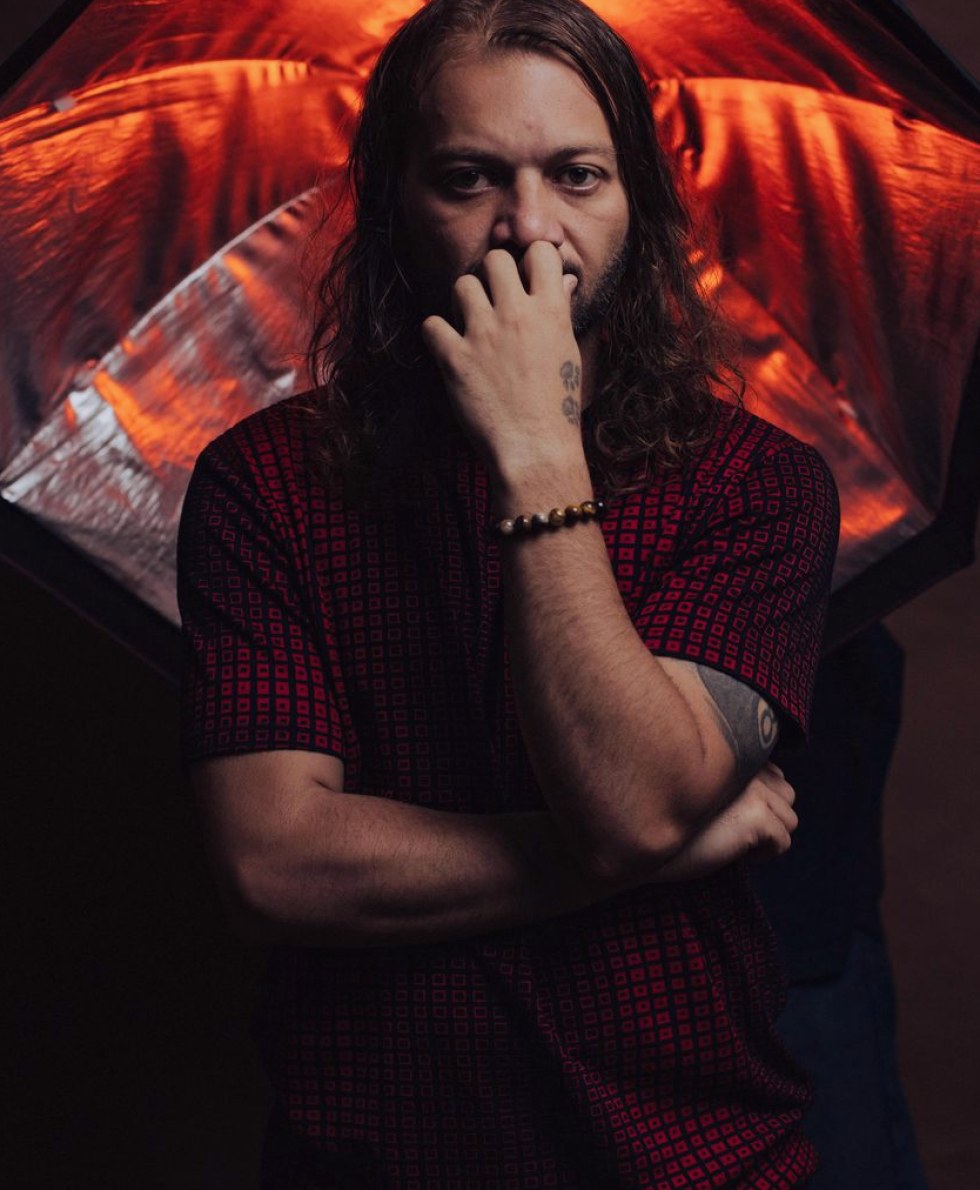
Why the vocabulary is worth learning
Producers and editors who commission interviews rarely need to set a light themselves, but the words used on a shoot affect what lands in the gallery. When a technician says the key is too hard, or asks whether you want the back light, they are making choices that change how a contributor looks on air. Knowing the terms lets you ask for what you want in one sentence rather than three.
In my years of producing, most disagreements about how an interview looked came down to two people using the same word differently. One meant brightness, the other meant direction. This note sets out the three terms we use most at verbmelo when we plan Portrait and Interview Lighting, in the plainest wording I can manage, so that your brief and our set-up start from the same place.
None of this requires a technical background. It requires knowing what each light is for and what it does to a face on a monitor.
The key light: where the face gets its shape
The key light is the main source on the contributor. It decides where the brightest part of the face sits and which side falls into shadow. We usually place it a little to one side of the camera and slightly above eye level, so the light falls gently across the face rather than flat from the front.
Size matters as much as position. A large, soft source, such as a softbox close to the guest, wraps around the face and forgives skin texture, tiredness and the odd shiny forehead. A small, hard source does the opposite and shows every line. For a calm interview with a councillor or a witness, we almost always choose soft.
If a face looks flat on screen, the key is usually too close to the lens axis. If it looks stern, it is usually too hard or too far to one side. Those two descriptions are enough to tell us what to adjust.
- Soft source: gentle shadows, kinder to most contributors
- Hard source: crisp shadows, rarely right for a sit-down interview
- Higher and to one side gives shape; straight on gives a flat look
The fill light: how dark the shadows are allowed to be
Fill is the quieter light that lifts the shadow side of the face so it does not drop into black. It is never meant to compete with the key. What editors notice is the relationship between the two, which the trade calls the ratio. A small difference gives an open, even look suited to a straightforward news interview. A large difference gives a moodier picture that suits a documentary but can look severe on a bulletin.
We often use a reflector or a dimmed panel rather than a second bright lamp, because it keeps the picture natural. If a guest wears glasses, the fill also has to be placed so it does not bounce a hard reflection back to the lens, which is one of the first things Tom checks when he sets up the studio.
When you tell us you want the interview to look friendly, or authoritative, you are in effect choosing a ratio. We will translate that into settings.
- Even ratio: open and approachable, the usual news choice
- Wider ratio: more dramatic, better saved for features
The back light: separating the person from the wall
The back light, sometimes called a hair light or rim light, sits behind and above the contributor and puts a thin edge of light on the hair and shoulders. Its job is separation. Without it, a dark jacket can merge with a dark background and the guest seems to be cut out of the picture.
The risk is overdoing it. A strong back light on someone with pale or thinning hair glows like a halo and distracts from what they are saying. We keep it low in intensity and adjust it per person, which is why two guests in the same chair on the same afternoon may need slightly different settings.
In mid autumn the problem is often the opposite one: interviews recorded on location in fading daylight lose their natural separation by late afternoon, and a small portable back light restores it.
Consistency: the term that matters most
Consistency is not a lighting term in the strict sense, but it is the one newsrooms care about. When three contributors appear in one package, or a guest is recorded on Monday and a follow-up on Thursday, the picture should match. Different colour, different brightness or a changed background draws the viewer's eye to the edit instead of the story.
We achieve it by keeping notes of positions and levels, using the same colour temperature across lamps, and checking each guest against a reference frame before recording. Windows are the usual enemy: a cloud passing over changes the room, so we either block the daylight or light strongly enough that it stops mattering.
If you have a house look already, send us a frame from a recent item. Matching an existing look is quicker and more reliable than inventing a new one.
- Match colour temperature between all lamps and any daylight
- Record a reference frame for each guest before the interview
- Keep a written note of lamp positions for repeat sessions
What to tell us when you book
You do not need to speak in lighting terms. What helps most is a few plain facts: how many contributors there will be, whether they are seated or standing, how long each will be on camera, and whether the finished piece must match earlier material. Tell us if anyone wears glasses, has a very pale or very dark complexion, or needs to be filmed on location rather than in the studio.
From there, Tom and Daniel decide on the key, fill and back light, and the size of the set-up. A single guest in a corner of a room needs very little equipment; a panel of four needs more thought but the principles are the same.
If something looks wrong on the monitor, describe what you see rather than what you think the cause is. Too flat, too harsh, too dark on one side: each of those points us to one of the three lights.
The three lights, key, fill and back, are simple ideas once the words are plain. The key shapes the face, the fill decides how dark the shadows are, and the back light separates the person from the wall. Add consistency across contributors and most interviews look clean without drawing attention to themselves. If you want to talk through a particular shoot, write to us through the contact page and we will discuss the set-up before the day.
More from the News Desk
What Interview Lighting Costs and What Moves the Price
A plain look at how portrait and interview lighting is priced at verbmelo, which choices raise or lower the quote, and what to tell us so the figure holds.
What "Turnaround" Really Means on a Breaking News Shoot
A word that gets used loosely in every newsroom, explained plainly: what turnaround covers on a location shoot, where the minutes go, and how to agree it clearly with a crew.