
The Kit Bag We Trust on a Breaking Story Shoot
A look at the cameras, lenses, audio and power we pack for fast location work, and why each piece earns its place when a developing story gives us little time.
6 minutes to read
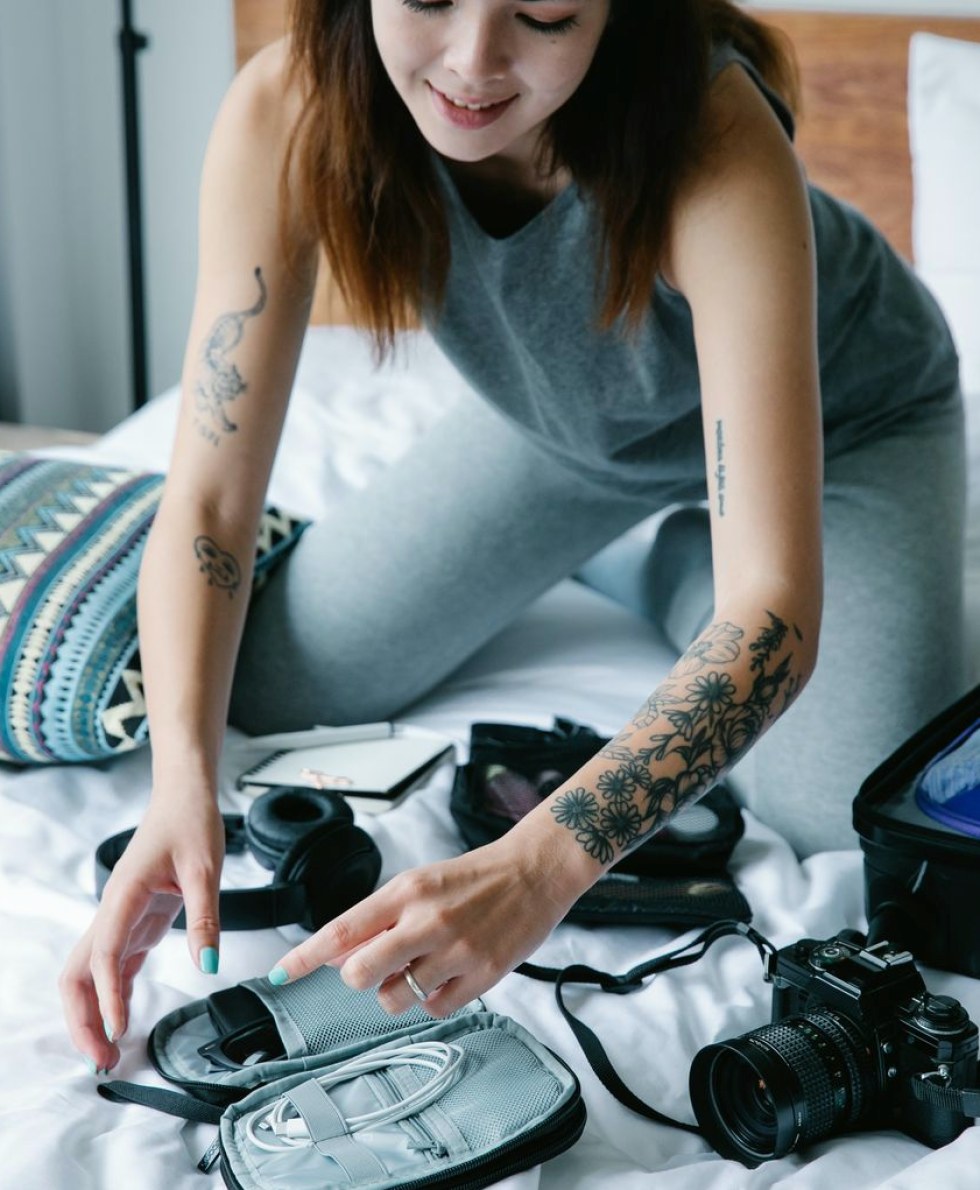
Why we pack light and pack deliberately
When a call comes in on a mid autumn morning, we usually have minutes, not hours, before a crew needs to be on the road. That shapes everything about the kit we carry for Breaking News Shoots. The bag has to fit in a car boot beside two people, survive a wet pavement or a muddy verge, and still hold everything needed to deliver broadcast-ready footage.
Over the years we have learned that more equipment rarely means better pictures on a developing story. Every extra case is another thing to carry, another thing to set down and lose, and another delay while the scene changes in front of us. So the bag is built around a simple question: what do we reach for in the first ten minutes at a location?
Anything that does not answer that question stays in the studio or the van. We would rather return for a second lens than spend a story hunting through cases while the moment passes.
The camera and lenses we reach for first
Our main location camera is a compact shoulder-mounted body that records to cards we can swap in seconds. It balances well handheld, which matters when I am walking backwards down a crowded street with a reporter and trying to hold a steady frame. A heavier cinema-style rig would look impressive, but it is slow to move and tiring over a long day.
For glass, we carry one zoom that covers wide establishing shots through to a tight close on a speaker, plus a fast prime for low light and for interiors where we cannot add lamps. That is enough for nearly every item we are asked to shoot.
We check the lens for dust and the sensor for marks before every call-out, because a smear on the glass at a location cannot be fixed in the edit without losing time you do not have.
- One versatile zoom for most shots
- A fast prime for dim interiors
- Spare cards and a card wallet in a fixed pocket
Sound is where a news item is won or lost
Viewers forgive a slightly soft picture on a breaking story far sooner than they forgive speech they cannot understand. We therefore treat audio as seriously as the camera. Every crew carries a handheld microphone for reporter pieces and a small wireless lavalier for contributors who agree to be fitted.
We also bring a short directional microphone for the camera, mainly to capture atmosphere: traffic, a crowd, wind in a field. That background sound gives the editor something to build a clean sequence from, rather than a series of silent cuts.
Headphones stay on whenever we record. It sounds obvious, but a crackle from a loose connector or a sudden gust of wind is caught only if someone is listening at that moment, and we would much rather re-record at the scene than discover the fault back at the desk.
- Wired handheld microphone as the dependable default
- Wireless lavalier for contributors
- Closed headphones for monitoring every take
Power, cards and the dull items that save a shoot
The unglamorous equipment causes the most trouble when it is missing. Batteries are numbered and charged in rotation, so I always know which are fresh. A flat battery in the middle of a statement is a failure that no amount of skill can recover.
We carry more card capacity than a day should need, and we label cards as we fill them so nothing is overwritten by mistake. A small roll of gaffer tape, spare cable ties and a few lens cloths live in the same pocket every time, which means they can be found with one hand.
A compact tripod and a lightweight monopod complete the support kit. The monopod in particular lets us steady a long lens at a press line without the setup time of a full tripod, and it folds away when the situation moves on.
- Numbered batteries charged in rotation
- Cards labelled as they are filled
- Tape, ties and cloths in one fixed pocket
Light, weather and the choices we make outdoors
Autumn light is kind but short. The sun sits low, shadows are long, and a bright sky can leave a face underexposed within a few steps. We carry a small collapsible reflector and a battery-powered panel so that a contributor standing in shade still looks clean and consistent with the rest of the item.
Rain is routine. A rain cover for the camera and a second for the microphone are always in the bag, along with a towel to keep hands dry enough to hold the controls properly.
We also think about where to stand before we unpack anything. Moving ten paces to put a window or a building behind a speaker is free, and it often improves a shot more than any piece of equipment we could add to the bag.
Getting the footage out of the bag and onto your desk
Shooting well is only half the job; a newsroom needs the pictures promptly. Before we leave a location, one of us checks the cards in a laptop to confirm that the footage is playable and that sound is present on every clip.
From there, material can be passed to our editing desk for Rapid Edit and Delivery, or sent as raw files if your gallery prefers to cut the story itself. We agree the format and the route with you when the commission is confirmed, so there is no guessing under pressure.
Small habits matter here too. We name clips sensibly, note the key moments for the editor, and keep a short log of who said what. That tidy handover is part of the kit, even though it never goes in a bag.
A good location kit is not the biggest one but the one a crew can use without thinking. Ours is built around quick movement, clear sound, dependable power and a clean handover to the edit. If you are planning coverage for a story that may develop quickly, get in touch and we can talk through what a crew would bring and how footage would reach your gallery.
More from the News Desk
Before You Book a Breaking News Crew: A Checklist
A working list of questions to settle before a camera crew heads out to a developing story, from access and kit to file formats and who signs off the footage.
A Regional Newsroom That Stopped Losing Ten Minutes Between Tip and Edit
Tom Gilbert recounts a workflow review for a small regional news team led by Marcus, and the three practical changes that cut the wait between a tip arriving and a story reaching the gallery.
Getting Edits and Deliveries Ready for the Darker Months
As clocks go back and daylight shortens, newsroom schedules change. Here is how we plan editing, captioning and file delivery for the weeks ahead so items still reach your gallery cleanly.